My grandfather Lloyd Watkin Cunnington was born on 8 February 1921, and I have decided to write about him today on what would have been his 100th birthday.
Lloyd was born in Western Australia in 1921 to Samuel Cunnington (originally from Oakham, Rutland, England) and Lucy Cunnington (nee Watkins, originally from Blackpool, Lancashire, England), who had met in Western Australia around 1914. He was their second son, with his older brother Tom being born November 1915.
Lloyd attended school until year 8, after which time he worked on his father’s farm. During the Great Depression of the 1930s when work and money was scarce, he realised that if he didn’t branch out and try and make a go of something else that he’d always be a farmer. This didn’t suit him at all, and so in 1940 at the age of 19 he decided to enlist, and it is from his military records that I have discovered much about his early life.
Second World War
Lloyd had come from a military family. His father Samuel had been a Tenth Lighthorseman in Egypt during the First World War, and his brother Thomas, who was later a prisoner of war in Japan during World War Two, was already full time in the army at the time Lloyd decided to enlist.
Lloyd originally joined the militia. Initially he wasn’t enlisted full time, but would do fortnightly stints where he would get paid 5 schillings a day (just over $20 today when adjusted for inflation). Most likely an arrangement much like the Reservists of today’s army. World War Two was declared soon after, and he answered the call for volunteers.

He spent time based in Darwin in a spitfire squadron, then attached to the Dutch airborne brigade, then finally in a fighter squadron. Serving under three flags, but never actually leaving Australian shores. He did not receive any medals for his six years in uniform, and was honourably discharged in 1945.
The National Archives of Australia have recently digitised Lloyd’s army records, which you may access here.
Lloyd met Veronica Joyce Paynter (Wonnie), my grandmother, when he was serving in the army, and while she was working in Perth as a nurse. They married in 1941 but the union didn’t last, and Wonnie returned to South Australia to raise their daughter.
Acting
Lloyd first dipped his toe into acting while he was still in the army when there had been a call for volunteers. The group would put together shows to entertain the troupes. Once Lloyd joined the airforce he then got involved with their acting group, and took part in what he described as airforce reviews. It was while in the airforce when he said he’d met and acted alongside one or two in the group who had been professional actors.

Once Lloyd had left the army he had well and truly been bitten by the acting bug, and he decided to pursue an acting career. In the pre-NIDA (National Institute of Dramatic Art) days where serious training was virtually unheard of, he said it was a case of sink or swim with regards to training. He wasn’t a singer or a dancer. At the very most, he was advised to get a voice coach to try and get rid of the Australian accent, and that was about it.
In the pre-television days radio is where professional actors gained work, and he was involved in multiple serials in both commercial radio and on the ABC.
He was able to make a living, but didn’t make a name for himself. His family was supportive nevertheless. His brother Tom said “go for it, if that’s what you want to do”, and his mum thought he was fabulous in anything he did.
After years working in Australian theatres, where he was unable to gain anything more than an understudy or bit part, he decided to go to London to try his luck. He gained an agent in the United Kingdom, Miriam Warner, who opened the way to steady theatre work, including parts in J.C. Williamson plays.
The most famous person Lloyd was in a play with was Sir Laurence Olivier. As Laurence was the star of the show all of the other actors had been told to keep out of his way. One night during a show Lloyd happened to be behind the back screen of the stage walking from one side of backstage to the other. It is traditionally quite a narrow pathway of a few feet wide. As he was walking through, Laurence came rushing through toward him. Lloyd had passed the point of no return. He didn’t know whether to turn and run ahead of Laurence, or stand flat against the wall and let him pass. He must have frozen to the spot because Laurence came rushing up to him, grabbed his collar with both hands and said “enjoying yourself dear boy? Enjoying yourself?” Then continued on his way.
Lloyd eventually left London. In 1956, the Elizabethan Trust Company planned to put on a Ned Kelly play as part of the entertainment for the Olympic games which were to be held in Melbourne. Leo McKern (later known for The Blue Lagoon and Ladyhawke, among his 97 acting credits) was cast to play Ned Kelly, Lloyd was cast as Steve Hart in the Kelly Gang. It was produced in the Newton Theatre in Sydney, and unfortunately it was a flop. Lloyd once again found himself looking for work here in Australia.
Lloyd’s most favourite play he was cast in (beside the one that was paying at the moment, as they say in the acting world) was John Steinbeck’s Of Mice and Men. He played a character who had to shoot a dog. In rehearsal, the original dog didn’t like him and would bite and attack him. They figured they couldn’t have him getting bitten every night, so Lloyd volunteered up his own sheepdog Maggie who would do anything he asked. The problem with Maggie was that she wasn’t used to the sound of revolver shots. During rehearsal, a revolver was fired off, and the dog shot off out of the theatre. Lloyd chased after it running through traffic, eventually catching it on Collins Street, Melbourne.
Lloyd preferred the instant rapport with the audience when working in theatre, but he also worked on television here in Australia too. He noted that on some shows he’d only be given a character outline, and then have to make up his own dialogue.
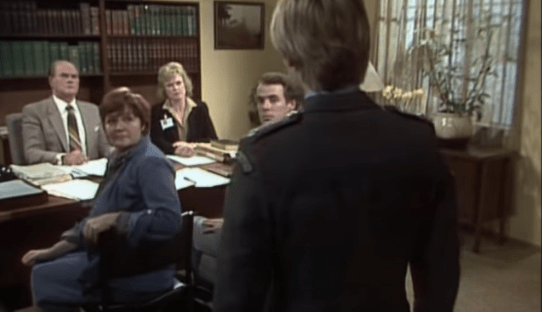
Overall, Lloyd has 34 acting credits, and two credits as himself, which includes such movies as Blue Fire Lady and Spotswood with Anthony Hopkins, and t.v. series such as Henderson Kids, All the Rivers Run, The Sullivans, Cop Shop and Prisoner where he was cast as Mr Goodwin, one of the regular judges (was also cast as VJ Humphreys for episode 431). His full acting credits can be found on IMDB here.
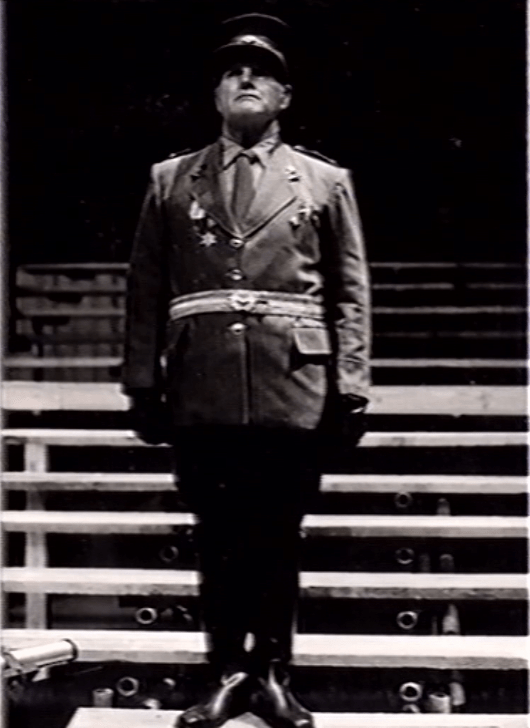
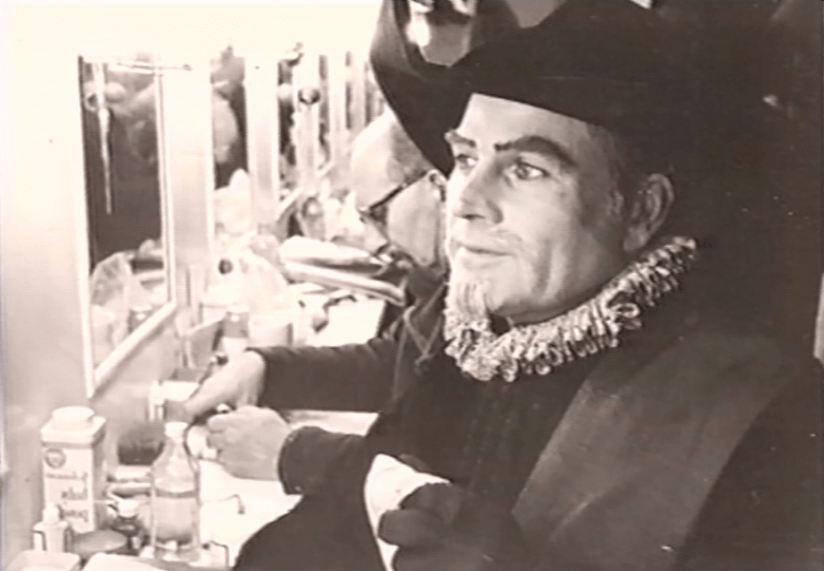
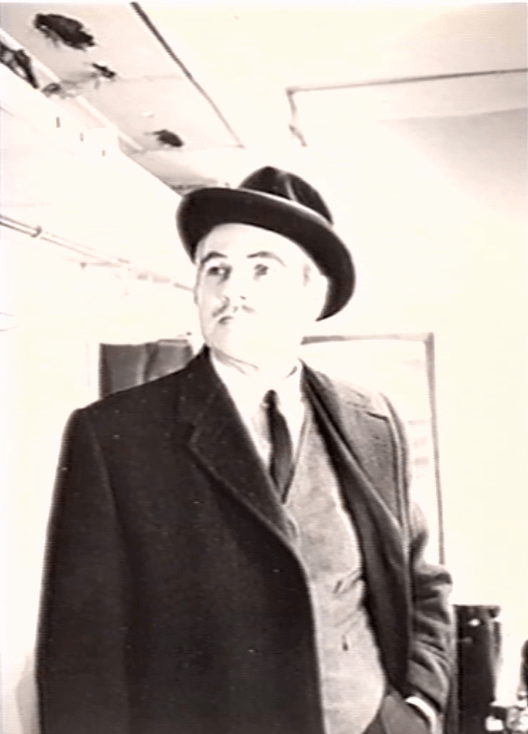
I have compiled some photos from his theatre days below. The dog in the seventh photo was his sheepdog Maggie.




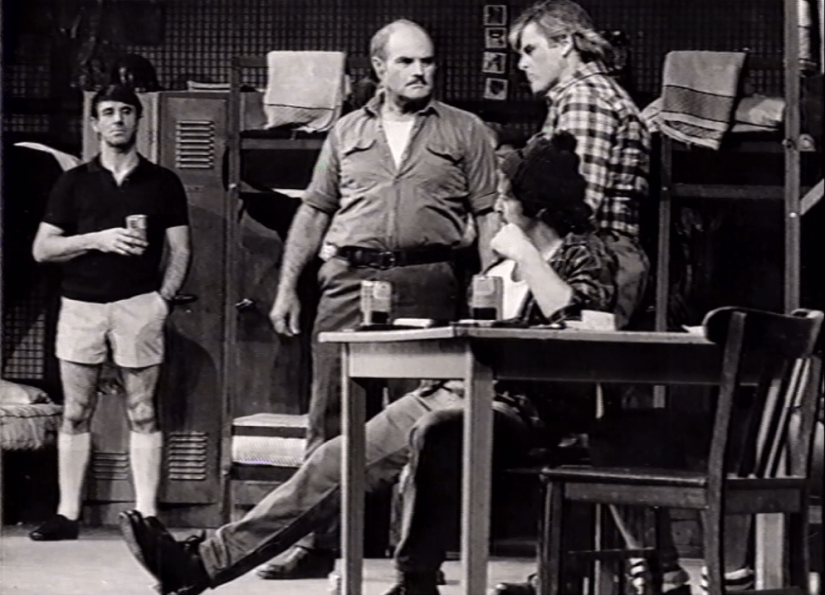
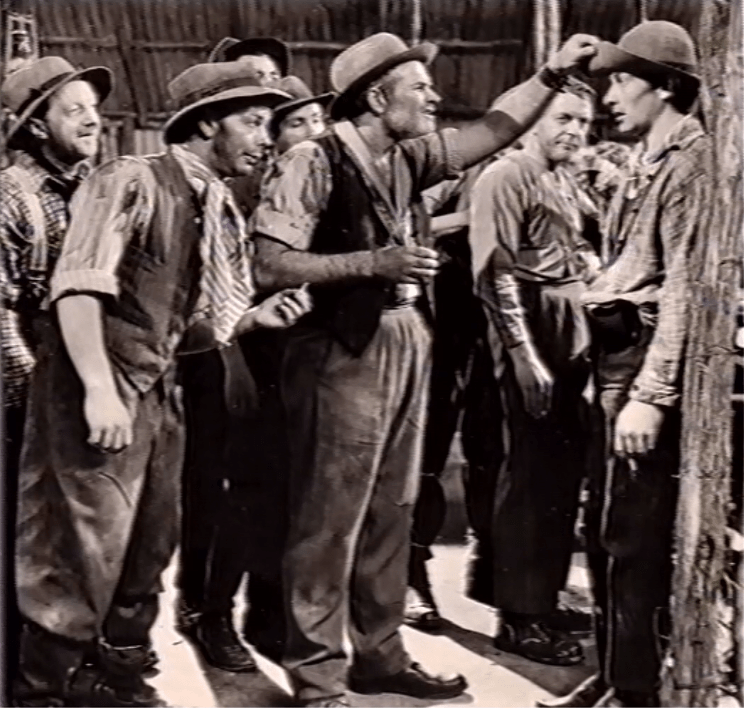
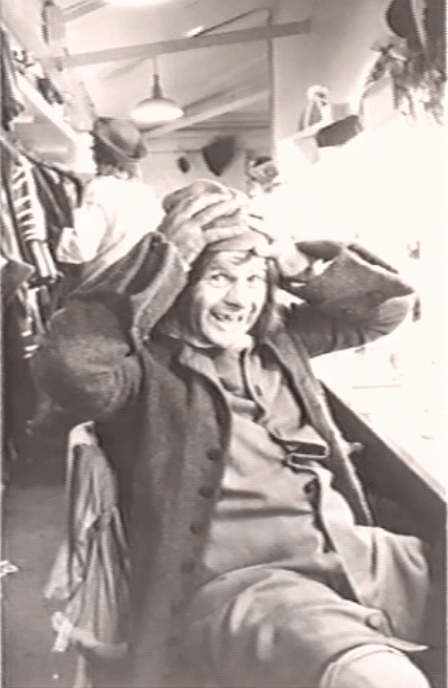
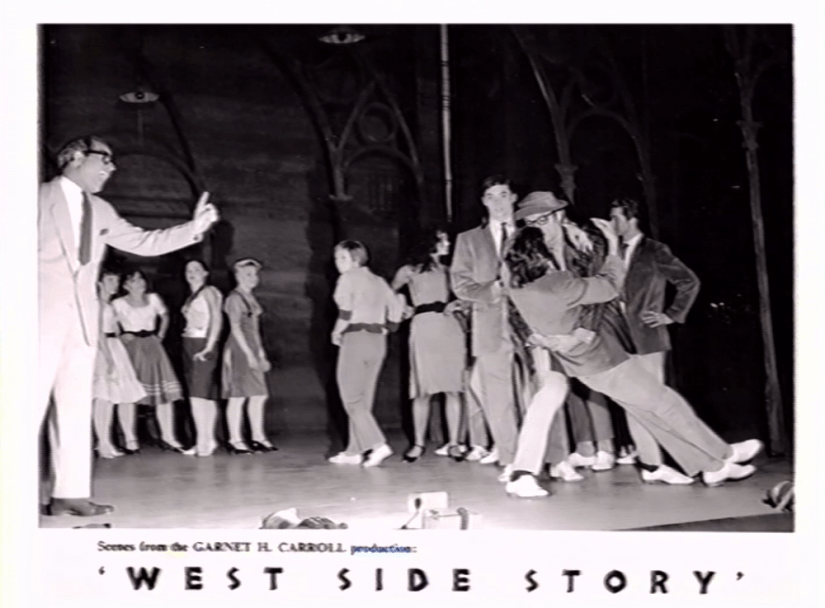

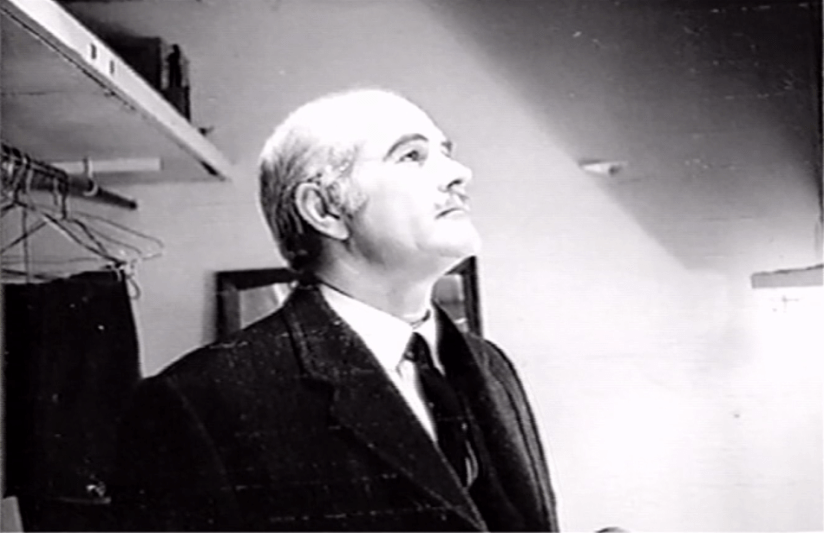

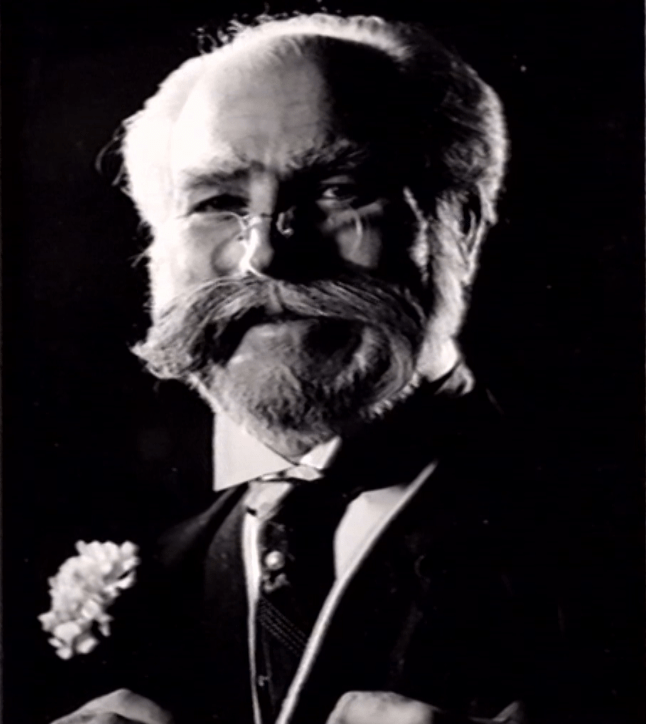


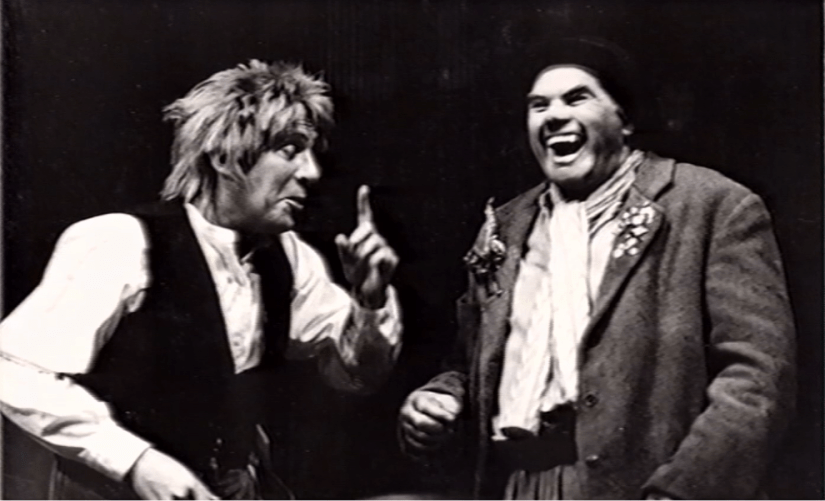
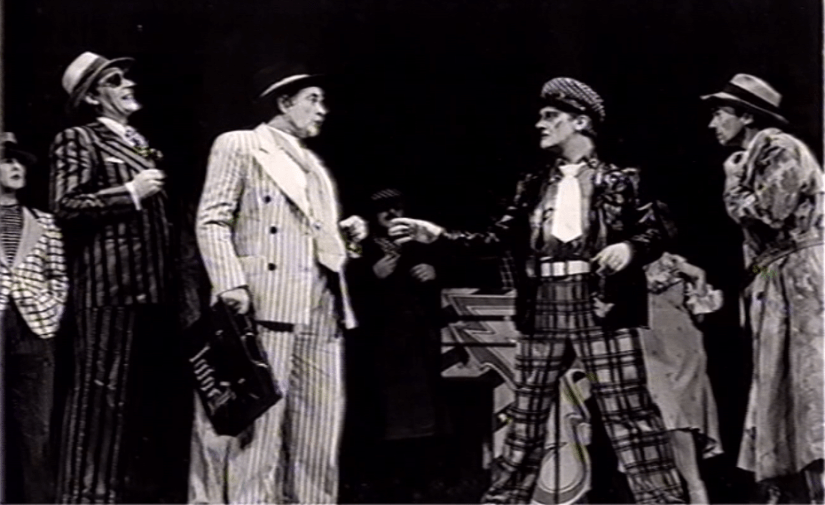
Locally, he was in the San Remo pasta ad as one of the monks, which can be viewed below. He is the one on the right. I remember they filmed the ad in South Australia. Although I do not remember the other monk’s name, I did get to meet him and I remember him being a British comedian.
Lloyd said that the best advice he received was from his mum, who said “remember this always: do your best. Good, better, best; never never rest until your best is better or your better best”.
Lloyd is survived by one daughter, three grandchildren, and five great grandchildren.

 Potiuch Roman Cunnington Paynter Family Tree